After a two-month delay caused by the back-and-forth nature of negotiations, the New York State budget was approved by the legislature and the Governor on May 27 (rather than the April 1 deadline). Along with the budget, a broad package of legislation was passed, including a slate of new protections for immigrants—ranging from a version of "New York for All" to the Bivens Act, which allows private individuals to sue ICE (as well as federal and state officials) for constitutional rights violations.
In a press release, Governor Hochul stated that the legislative package would "make New York a leader in addressing ICE overreach, while ensuring there is no safe haven for criminals in this state." One of the measures, dubbed "Local Police, Local Crimes," aims to ensure local law enforcement focuses on solving and preventing local crimes. "When they are diverted to act as ICE agents—literally doing ICE's job of enforcing civil immigration laws—they aren't focusing on what we need them to do," Hochul declared.
One section of the bill, titled the Sensitive Locations Protection Act, would restrict immigration enforcement activities in places such as schools, hospitals, houses of worship, and public libraries. Another provision prohibits public schools from denying children access to a free education based on their citizenship or immigration status. The legislation also limits how local governments and public employees may cooperate with immigration enforcement operations.
Additionally, the legislative package establishes a new Office of New York State Immigrant Trust within the New York Department of Law. This office would provide legal guidance, oversee immigration-related policies, and coordinate the dissemination of information and services to immigrant communities across the state. The budget also allocated approximately $74 million to the Office for New Americans to fund legal representation for individuals involved in immigration proceedings. This represents a $10 million increase over last year, yet falls short of the $183 million proposed by the legislature.
Effective immediately, local, state, and federal law enforcement officers are also prohibited from wearing masks or disguises while interacting with the public in the line of duty, except in limited circumstances.
Assemblymember Karines Reyes, a registered nurse and lead sponsor of the "Dignity Not Detention" and "New York for All" laws, stated: “This victory is the culmination of years of hard-fought struggle and advocacy. From ending formal collaboration via 287(g) agreements and banning the use of local jails for ICE detentions to upholding the dignity of all people, requiring officer identification, and protecting sensitive locations, every element of this legislative package is a resounding declaration that New York refuses to be complicit in the federal government’s campaign of fear. I am proud to see these protections become law; however, formal collaboration was never the only form of collaboration that existed. I look forward to continuing to work with activists, colleagues, and the Governor to further strengthen protections for immigrants, because no one should have to choose between safety and survival simply because of where they were born—and we will not rest until all New Yorkers can live free from that fear.”
The New York Immigration Coalition (NYIC) also welcomed the package of immigrant protections. However, the group noted with regret that the package does not prohibit informal collusion among local police, ICE, and the Border Patrol—such as calling the Border Patrol during a traffic stop or handing someone over to ICE following an arrest. "This informal collusion," the coalition stated, "is the reason so many New Yorkers end up detained and deported."
In an
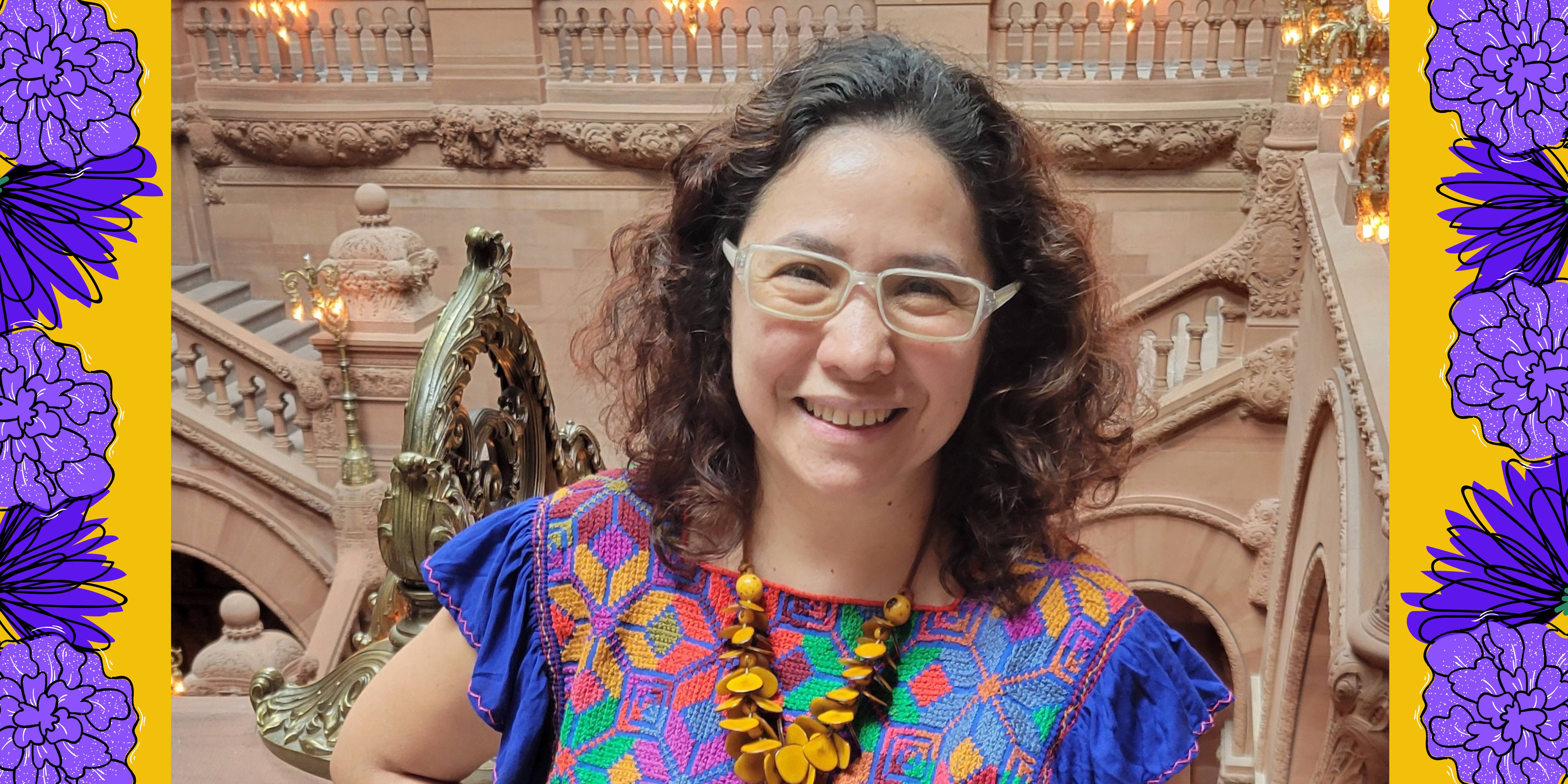
interview on my show La Voz con Mariel Fiori, Sarahana Shrestha, the State Assembly representative for District 103, elaborated on each of the approved measures. Regarding "New York for All," she noted, "We didn't get everything we wanted. Basically, we succeeded in ensuring that state and local government employees cannot perform the functions of immigration agents. However, we had to make an exception for local law enforcement due to a disagreement with the governor; she wanted local law enforcement to be able to share information for criminal investigations." Consequently, a battle for the new legislative session—which does not begin until January 2027—will be "to eliminate that exception for local law enforcement and include them in the restrictions that we already apply to state and municipal employees; that way, we would have passed the full version of New York for All,” the assemblywoman explained.
Mariel FioriManaging Editor back to top
COPYRIGHT 2026
La Voz, Cultura y noticias hispanas del Valle de Hudson