Warming stirs new interest in Arctic

Reposted from the Poughkeepsie Journal

Jessica Leclair

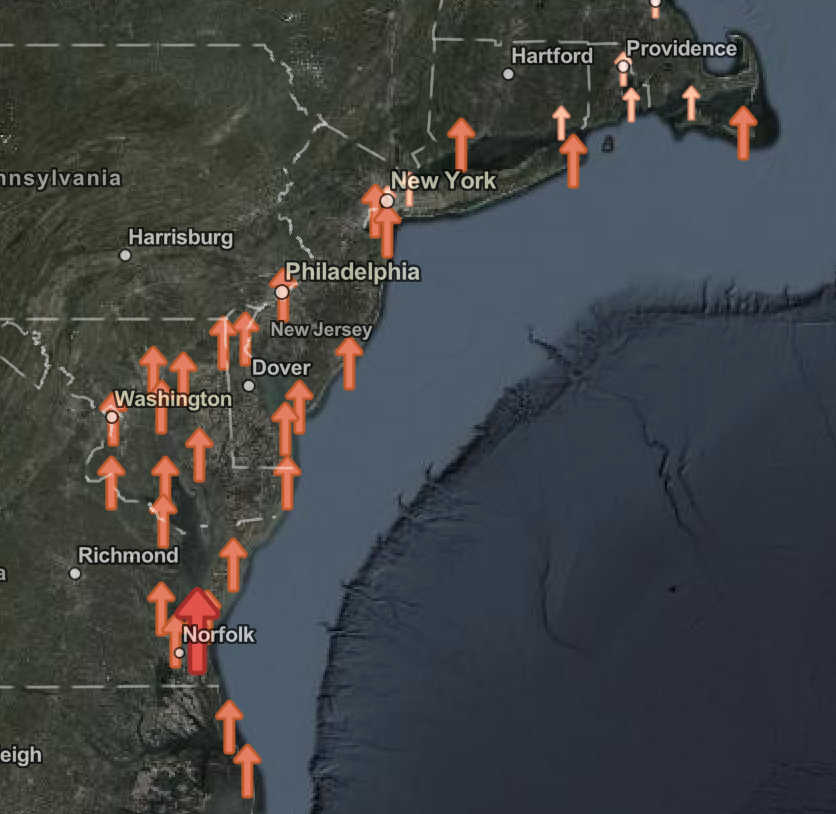
Oil, natural gas, mineral deposits, fisheries and shipping prospectors are advancing on the Arctic. Fueled by global warming, ocean routes normally blocked by sea ice are opening up. Most notably, the Northwest Passage, an ocean route across North America, became accessible in recent years to boat traffic.

Rising temperatures affect the Arctic at twice the rate we see in New York because of polar amplification, a phenomenon like a snowball effect in which a little warming causes far more warming. Let’s take sea ice. Sea ice is prevalent throughout the Arctic Ocean, in some areas year round. Sea ice is white, and it reflects the sun’s rays. As the temperatures rise, sea ice melts, exposing ocean water. This water absorbs the once-reflected solar energy and speeds up the warming. Continue reading

Posted in Students | Tagged , , , , , | Leave a comment

Shopping Your Values in the Hudson Valley

By Eban Goodstein

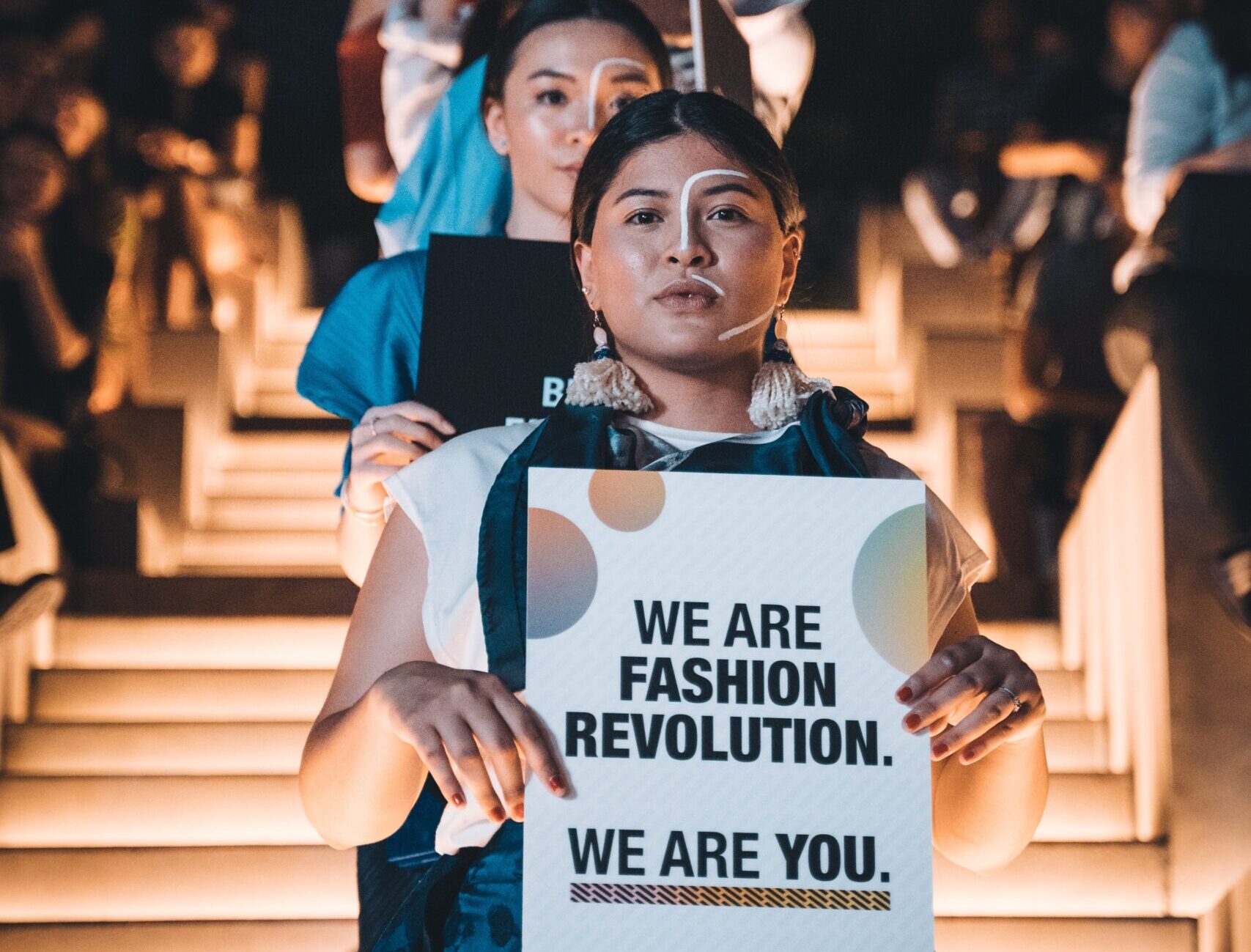
Image via theaddictz/Instagram

The elusive green consumer. For decades now, sustainability entrepreneurs have been trying to mine the vein of responsible consumption, with only limited success. Area businesses tout local wares, but consumers still shop at Amazon.

Poll’s show we all want to shop our values, but we seldom shell out much of a premium, and even pass over green products that are competitively priced.

NYC-based startup ethikus is pioneering a new approach to sustainable consumption. The underlying idea? Convert the shopping decision from a private act to a social one. The action? Create a city-wide movement in support of ethical and sustainable businesses in The Big Apple. Continue reading

Posted in Faculty & Director | Tagged , , , , , | Leave a comment

Work with India on transfer of technology

Reposted from the Poughkeepsie Journal

Jed Wolf (R) with Dr. R.K. Pachauri (L), general director of TERI and the chairperson of the IPCC

At the U.S.-India Energy Partnership Summit, a distinguished panel, including academics, CEOs, and high-ranking government officials, discussed the barriers to technology transfer between the U.S. and India and how these barriers may be overcome in the coming years.

Much of the day’s discussion centered around the role international treaties, institutions, property rights and laws play in developing efficient, reliable and affordable technologies that will help shape India’s energy future.

Although international treaties build ties between nations, they have to be followed through to create change. Historically, the U.S. has not fulfilled its obligations under the Kyoto Protocol to assist India financially in implementing the technology required for sustainable development. Continue reading

Posted in Special Events, Students | Tagged , , , , , , , | Leave a comment

Will this Farm Bill do enough for young farmers?

Lindsey Lusher Shute

Reposted from Grist

By Lindsey Lusher Shute, CEP Alumna ’07

By the time the next Farm Bill expires in five years, 125,000 American farmers will have retired. This fact may well be the biggest threat to national food security, but you wouldn’t know it if you’ve been following this year’s Farm Bill hearings.

Instead, the conversation is about “managing risk” for the Big Five commodity crops (i.e. crop insurance, subsidies, and margins for large agricultural interests) and not about the challenges to our food system as a whole. The recent House Committee on Agriculture’s Farm Bill “Field Hearings” were dominated by established farmers, with little if any time for new farmers to talk about their needs. Here in New York’s Hudson Valley, a group of beginning farmers considered a trip to the Saranac Lake to participate in one of these hearings, but decided against it when we learned that there would be no time to add our experiences to the chosen panelists. Beginning farmers like us didn’t fare much better in similar Senate hearings. Continue reading

Posted in Alumni/ae News | Tagged , , , , , , , | Leave a comment

Cambio climático ¿Y ahora qué hacemos?

Publicado originalmente en La Voz, Edición Mayo 2012.

Por Ariadne Prior-Grosch

¿Que podemos hacer para minimizar nuestra contribución a la contaminación por los gases de efecto invernadero–como dióxido de carbono–que causa el calentamiento global? Estos gases son producidos por la quema de cualquier combustible que tenga carbono, como leña, carbón, aceite y gas natural. Nuestra sociedad se ha fundado en el uso de combustible para producir la energía que mantiene nuestras vidas. No es realista pensar que de un día a otro vamos a cambiar nuestro estilo de vida y dejar de usar energía producida con combustible. Pero hay acciones que cada uno puede tomar en sus propias vidas para reducir la cantidad de energía que usa y, como resultado, la tasa del cambio climático. Continue reading

Posted in Español, Students | Tagged , , , , , | Leave a comment

Carbon Supply Chain: Black Mesa and Beyond

Jihan Gearon

The final National Climate Seminar for the spring 2012 semester wrapped up with a poignant conversation with Jihan Gearon, Executive Director of the Black Mesa Water Coalition. The conversation, entitled “Carbon Supply Chain: Black Mesa and Beyond,” touched on a diverse array of environmental themes including transitioning from coal to a clean energy economy, environment justice, and indigenous rights.


Navajo Nation and Hopi Reservation

Jihan Gearon grew up in Fort Defiance on the eastern part of the Navajo reservation in Arizona. The Black Mesa Water Coalition grew out of a college student youth movement and was formed in 2001 “by a group of young inter-tribal, inter-ethnic people dedicated to addressing issues of water depletion, natural resource exploitation, and health promotion” of the Diné (Navajo) and Hopi indigenous peoples. BMWC works to address important environmental and social issues on the Navajo and Hopi lands such as the Black Mesa Mine and the Peabody Kayenta Mine ,as well as promoting green jobs policies in the Tribal Nation. The group scored an early victory when the Black Mesa Mine was shut down in 2006. Continue reading

Posted in National Climate Seminar | Tagged , , , , , | Leave a comment

Climate and Food Supply

Cynthia Rosenzweig

On April 18th, the National Climate Seminar hosted a conversation on “Climate and Food Supply” with Cynthia Rosenzweig, leader of the Climate Impacts Group at the Goddard Institute for Space Studies at Columbia University. Rosenzweig’s work has focused on the effects of climate change on systems and sectors that are important to human well-being, including agriculture and food supply. Download the accompanying slides for Rosenzweig’s talk.

While climate change research initially focused on increasing mean temperatures and precipitation, current research has now shifted to focus on extreme climate events such as heat waves and floods that have the potential to significantly affect the production and distribution of the world’s food supply. Rosenzweig explained how agriculture is particularly affected by extreme events such as heat that not only stresses crops, but also livestock, due to warmer temperatures and decreasing water availability during drought conditions. Crop yields, milk production and livestock reproduction often suffer under these conditions. Continue reading

Posted in National Climate Seminar | Tagged , , , , , | Leave a comment

Marketing clean technology like we mean it

Reposted from greenbiz.com

Written by Lisa Jaccoma, Bard CEP alumna ’10

Solar Field via Shutterstock

From a marketing and communications standpoint, 2011 should have been a wake-up call for the cleantech industry in the U.S. We are getting our collective butts kicked in the national conversation. Yes, individual companies did well. Enough good to outweigh the bad. But, the narrative in the media has been relentlessly negative, and it’s having an effect.

In the latest Pew Research Center for the People & the Press poll (March 19, 2012), support nationally for alternative energy (a proxy for all of cleantech) has fallen significantly, by 11 points over just the past year, with support eroding further in the west, with men and with Republicans. Continue reading

Posted in Alumni/ae News | Tagged , , , , | Leave a comment

¿Hay agua o no hay agua? La situación en la ciudad de Oaxaca de Juárez, México

Publicado originalmente en La Voz, Edición Abril 2012.

Por Ariadne Prior-Grosch

Comunidad de San Felipe del Agua

El agua es sagrada, fuente de vida y cultura. Donde no hay agua, no hay vida. En varias partes del mundo, el desarrollo, la migración a ciudades grandes y el cambio climático esta afectando la disponibilidad del agua. Este enero, estudiantes de posgrado del Centro de Política Ambiental de Bard tuvimos la oportunidad de ir a Oaxaca, México. Fuimos con el propósito de estudiar el manejo del agua en los valles centrales de Oaxaca, pero durante nuestro tiempo allí aprendimos mucho más. Continue reading

Posted in Español, Students | Tagged , , | Leave a comment

¿Cómo alimentar a la creciente raza humana en medio del calentamiento global?

Publicado originalmente en La Voz, Edición April 2012.

Por Jessica Delgado

La súper tierra ya no es un misterio

Permanecemos en la tierra gracias a lo aprendido de nuestros ancestros, pero sobre todo, gracias a los beneficios que nos brinda para obtener la comida que tanto nos gusta, y que necesitamos para sobrevivir. La cantidad de lluvia, sol y nutrientes que entran a la tierra cambian los tipos de alimentos que obtenemos en distintas partes del mundo. Con los cambios climáticos actuales y el continuo aumento de la población mundial, va a hacer falta más comida, y que sea producida más eficientemente. Agregando la súper tierra, biochar o agrichar, a las cosechas podría crear tierras más fértiles y adaptables a los cambios climáticos y brindarnos más alimentos para las generaciones del futuro. Continue reading

Posted in Español, Students | Tagged , , , , , , , | Leave a comment