The Bard Conservatory’s five-year double-degree program includes students majoring in erhu, dizi, guzheng, konghou, Chinese percussion, pipa, ruan, suona, and guqin. Students of other Chinese instruments are welcome to apply. Studio instruction is provided by US-based professional musicians and by the world-renowned faculty of the Central Conservatory of Music. Lessons are held using state-of-the-art video conferencing, as well as in-person on the Bard campus and in Beijing.
Studying Chinese Instruments and Liberal Arts at Bard
在巴德攻读音乐学士学位和文学学士学位(人文科学领域)
All Conservatory undergraduate students including Chinese instrument majors pursue a five-year program leading to two degrees: the bachelor of music and the bachelor of arts in a field other than music. Bard College is widely respected for its challenging and comprehensive liberal arts program, offering more than 40 majors and concentrations in the arts, sciences, and humanities. Learn more about the Bard Conservatory double-degree program here and the Bard College liberal arts curriculum here.
Study and Performance 研究与表演
The Chinese instrument major closely follows the curriculum of the rest of the Conservatory, while offering courses specially designed to provide a comprehensive background in Chinese musical forms and traditions.
-
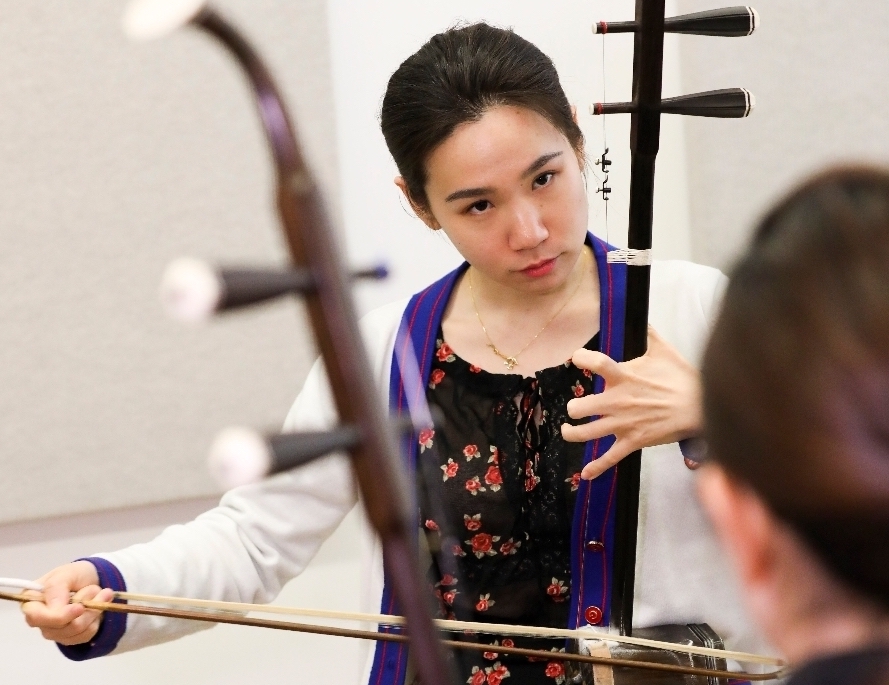 Music Curriculum
课程设置- Studio Instruction - every semester
- Chinese Ensemble - every semester
- Aural Skills - 2 semesters
- Conservatory Core Sequence - 4 semesters
- Music Theory
- Tonal Harmony and Counterpoint
- Composition for Performers
- Conservatory Seminar on Chinese Music
- Chinese Music History - 4 semesters
- Graduation Recital
Music Curriculum
课程设置
- Studio Instruction - every semester
- Chinese Ensemble - every semester
- Aural Skills - 2 semesters
- Conservatory Core Sequence - 4 semesters
- Music Theory
- Tonal Harmony and Counterpoint
- Composition for Performers
- Conservatory Seminar on Chinese Music
- Chinese Music History - 4 semesters
- Graduation Recital
Studio Instruction 一对一乐器指导 - 每学期
Working with outstanding master teachers and their hand-picked graduate assistants from the Central Conservatory of Music (CCOM), students benefit from weekly in person instruction with on-site studio teachers, along with regular video-conference sessions with master teachers in Beijing utilizing state-of-the-art technology. The Studio Instruction program includes study abroad in Beijing to work with the master teacher in person while residing on campus at CCOM. A total of three month-long study abroad trips to CCOM are needed to complete Studio Instruction degree requirements.
在中央音乐学院(CCOM)杰出的主课教授及其精心挑选的研究生助教指导下,学生将受益于校内主课教师每周面对面的课程,同时通过最先进的技术与北京的主课教授进行定期视频课程交流。该课程还包含赴北京中央音乐学院的留学环节,学生在央音校园内学习和生活,并与主课教授面对面学习。完成学位所需的“一对一乐器指导”要求,学生必须三次前往央音,每次为期一个月。
Chinese Ensemble 民乐团 - 每学期
Chinese Ensemble provides Chinese instrument majors both large-ensemble and chamber music experience with regular rehearsals and performance opportunities. Students work closely with the ensemble coach and their studio teachers to further develop their skills in ensemble playing, intonation, and musical expression through practical playing experience. At least one major Chinese Ensemble concert with the participation of all Chinese instrument majors will be performed each semester on campus, supplemented by other types of performance opportunities on and off campus throughout the year. Studio teachers assist the ensemble coach as well as performing in ensembles, allowing students to learn firsthand from the playing of more experienced musicians. Mixed ensembles including Western instruments are encouraged. The Chinese Ensemble program is further enriched by master classes and concerts by guest artists. In their first semester, first-year students will also attend 8 special sessions of the Conservatory’s Introduction to Chamber Music to acquire skills in musicianship, rehearsing, ensemble playing, and managing the requirements of the double-degree.
Note: For Chinese instrument majors, Chinese Ensemble is the equivalent to both the Conservatory Chamber Music and Orchestra requirements. Separate enrollment in Chamber Music or Orchestra is not required.
民乐团为中国乐器专业的学生提供大型乐团与室内乐的双重训练,学生通过定期排练和丰富的演出机会提升合奏技巧。学生将与乐团指导老师及主课教师紧密合作,通过实际演奏训练提高合奏能力、音准控制及音乐表现力。每学期校园内都会举办一场由全体中国乐器专业学生参与的大型民乐团音乐会,同时全年还有校内外的其他演出机会。主课教师既参与指导,也会亲自加入演出,让学生能直接向有经验的演奏家学习。学院鼓励中西合奏的组合形式。中国乐团项目还包括大师班和客座艺术家的音乐会,进一步丰富学生的学习体验。一年级学生在第一学期还需参加八次“室内乐导论”特别课程,学习音乐素养、排练技巧、合奏合作及如何应对双学位的学习要求。
注: 对于中国乐器专业的学生来说,中国乐团课程等同于音乐学院的室内乐与管弦乐团要求,因此不需要单独注册室内乐或管弦乐团课程。
Conservatory Core Sequence for Chinese Music
The Conservatory Core Sequence is a unique four-semester sequence of classes that integrates the study of music theory, music history, and composition in order to give students a richer understanding of these topics as vital and relevant to their work as interpreters:- Music Theory, Tonal Harmony and Counterpoint – a 2-semester accelerated overview to species counterpoint and traditional harmony. Note: Music theory 1 (Music department) or placement test required.
- Composition for Performers - By learning to compose, students develop a deep understanding of the compositional process, which is an integral skill for all performing musicians. Students produce several original compositions to be performed by themselves and others at a final concert. The class is taught by the Conservatory composition faculty Joan Tower and George Tsontakis, two of our most celebrated composers and teachers of composition.
- Conservatory Seminar on Chinese Music – This is the capstone class for the Conservatory Core Sequence in Chinese Music, and is designed to give students the ability to place their music making in a larger social, historical, and expressive context. The seminar explores Chinese music and the arts in society. Topics include the political role that music and the arts have played, and continue to play, in modern China’s history, as well as the history of Western music in China and its close association with domestic politics and international diplomacy. This course is taught by the director of the US-China Music Institute, Jindong Cai.
该系列为独特的四学期课程,综合音乐理论、音乐史与作曲训练,旨在帮助学生将这些内容与演奏实践紧密结合,提升整体理解力。- 音乐理论、调性和声与对位(Music Theory, Tonal Harmony and Counterpoint):两学期的加速课程,涵盖对位及传统和声。注:需先修读音乐系“音乐理论1”课程或通过分班考试。
- 作曲(Composition for Performers):通过学习作曲,学生能深入理解创作过程,这是所有演奏者必备的技能。学生将在课程中创作多首原创作品,并在期末音乐会上由本人或他人演奏。课程由巴德音乐学院著名作曲家及教师 Joan Tower 与 George Tsontakis 授课。
- 中国音乐研讨课(Conservatory Seminar on Chinese Music):这是中国音乐核心课程系列的总结性课程,帮助学生将音乐创作与更广阔的社会、历史与表现语境联系起来。课程探讨中国音乐与艺术在社会中的角色,包括其在现代中国历史中所扮演和持续扮演的政治作用,以及西方音乐在中国的发展及其与国内政治和国际外交的紧密联系。课程由美中音乐研习院院长蔡金冬教授授课。
Aural Skills
This sequence of courses provides Conservatory students with skills in sight-singing, harmonics, melodic and rhythmic dictation, clef reading, keyboard harmony, harmonic analysis and other requirements of functional musical literacy.
听觉训练 - 2个学期
该课程系列为学生提供视唱、泛音、旋律与节奏听写、谱号阅读、键盘和声、和声分析等功能性音乐素养训练。
Chinese Music History
In addition to the four-semester Conservatory Core Sequence, students are required to take a four-semester music history sequence titled Literature and Language of Chinese Music. In their first semester, students are required to take Literature and Language of Chinese Music I: Introduction. The three remaining semesters provide an in-depth exploration of the development of Chinese instrumental music, folk traditions, and opera. One of these three courses will be offered each semester in rotation and can be taken in any order at any time after the first semester.
中国音乐史 - 4个学期
除了核心课程系列外,学生还需完成一个为期四学期的音乐史课程:《中国音乐的文献与语言》。第一学期,学生需修读《中国音乐的文献与文学 I:导论》。其余三个学期课程将深入探讨中国器乐、民间传统及戏曲的发展。后三门课每学期轮流开设,学生可在第一学期之后按任意顺序选修。
Graduation Recital
Students present a full-length recital in the fourth or fifth year of the program. The repertoire is chosen in conjunction with the master teacher and should demonstrate the unique musical strengths and artistic goals of the student.
毕业音乐会
学生需在课程的第四或第五学年举办一场完整的毕业独奏音乐会。曲目需与主课教授共同商定,并应展现学生独特的音乐特长与艺术目标。
-
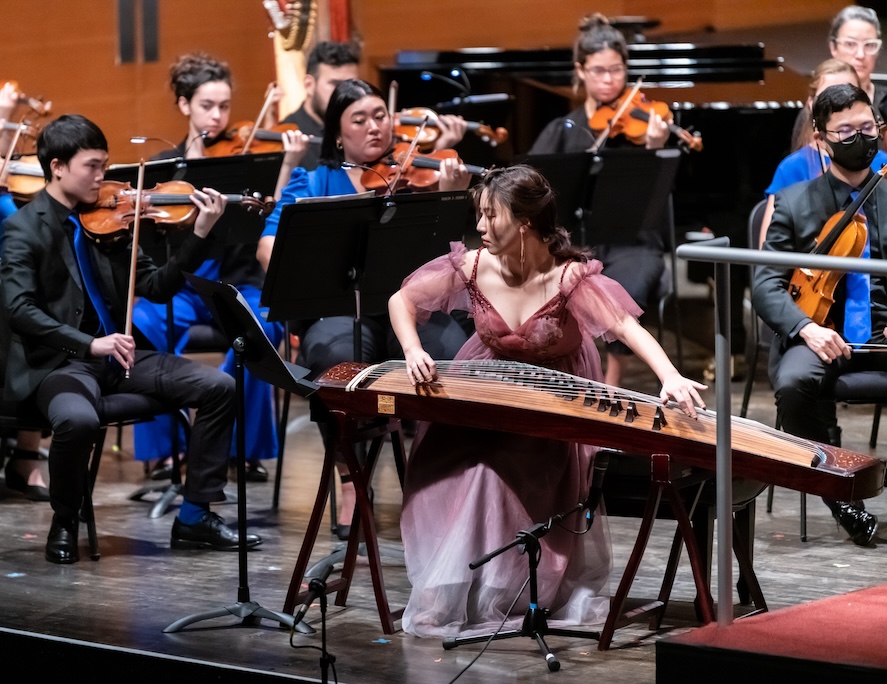 Performance Opportunities
表演机会The Bard Chinese Ensemble performs a major public concert at Bard each semester, with the participation of all Chinese instrument majors and graduate students, combined with some students of Western instruments. Students are encouraged to form small chamber groups and can schedule solo or group recitals with the Conservatory Concert Office. A senior recital is required for the Bachelor of Music degree. Additionally, The US-China Music Institute offers students opportunities for public performance on campus and in the NYC area throughout the year.Performance Opportunities
表演机会
The Bard Chinese Ensemble performs a major public concert at Bard each semester, with the participation of all Chinese instrument majors and graduate students, combined with some students of Western instruments. Students are encouraged to form small chamber groups and can schedule solo or group recitals with the Conservatory Concert Office. A senior recital is required for the Bachelor of Music degree. Additionally, The US-China Music Institute offers students opportunities for public performance on campus and in the NYC area throughout the year.
巴德民乐团每学期都会在巴德举办一场大型公开音乐会,全体中国乐器专业本科生和研究生都会参与演出,并与部分西洋乐器学生合作。学院鼓励学生组建小型室内乐团体,并可通过音乐学院音乐会办公室安排个人或团队音乐会。攻读音乐学士学位的学生必须完成毕业音乐会。此外,美中音乐研习院全年还为学生提供在校园内以及纽约市地区的公开演出机会。 -
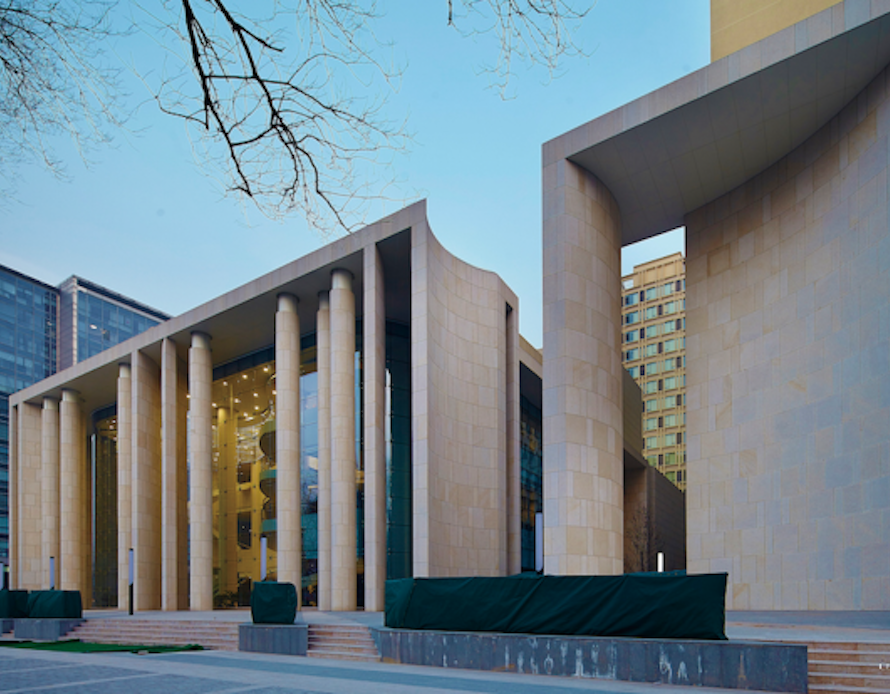 Study Abroad at CCOM中央音乐学院留学机会Chinese instrument majors will have the opportunity to study for one month at the Central Conservatory of Music (CCOM) in Beijing at the end of every Spring semester. During this time students will take lessons with their CCOM master teacher as well as attending classes, and they will participate in the CCOM end-of-year Jury. All first-year students are required to travel to CCOM at the end of the year. A total of three study abroad trips to CCOM are required before the start of the 5th year at Bard.
Study Abroad at CCOM
Chinese instrument majors will have the opportunity to study for one month at the Central Conservatory of Music (CCOM) in Beijing at the end of every Spring semester. During this time students will take lessons with their CCOM master teacher as well as attending classes, and they will participate in the CCOM end-of-year Jury. All first-year students are required to travel to CCOM at the end of the year. A total of three study abroad trips to CCOM are required before the start of the 5th year at Bard.
中国乐器专业的学生将在每年春季学期结束后,前往北京中央音乐学院进行为期一个月的学习。在此期间,学生将随中央音乐学院的主课教授上课,并参与课堂学习,同时参加央音的学年末考核。所有一年级学生都必须在学年结束时前往中央音乐学院。整个学习期间,学生在进入巴德的第五学年之前,必须完成三次赴中央音乐学院的交流学习。
Chinese Instrument Degree Applications and Auditions
中国乐器学位申请及面试
Contact Us
US-China Music Institute
Bard College, PO Box 5000
Annandale-on-Hudson, NY 12504-5000
[email protected] | 845-758-7026
Bard College, PO Box 5000
Annandale-on-Hudson, NY 12504-5000
[email protected] | 845-758-7026