Skip to main content.
Bard
  • Bard College Logo
  • Academics sub-menuAcademics
    • Programs and Divisions
    • Structure of the Curriculum
    • Courses
    • Requirements
    • Academic Calendar
    • College Catalogue
    • Faculty
    • Bard Abroad
    • Libraries
    • Dual-Degree Programs
    • Bard Conservatory of Music
    • Other Study Opportunities
    • Graduate Programs
    • Early Colleges
  • Admission sub-menuAdmission
    • Applying
    • Financial Aid
    • Tuition + Payment
    • Campus Tours
    • Meet Our Students + Alumni/ae
    • For Families / Familias
    • Join Our Mailing List
    • Contact Us
  • Campus Life sub-menuCampus Life
    Living on Campus:
    • Housing + Dining
    • Campus Services + Resources
    • Campus Activities
    • New Students
    • Visiting + Transportation
    • Athletics + Recreation
    • Montgomery Place Campus
  • Civic Engagement sub-menuCivic Engagement
    Bard CCE
    • Engaged Learning
    • Student Leadership
    • Grow Your Network
    • About CCE
    • Our Partners
    • Get Involved
  • Newsroom sub-menuNews + Events
    • Newsroom
    • Events Calendar
    • Press Releases
    • Office of Communications
    • Commencement Weekend
    • Alumni/ae Reunion
    • Family and Alumni/ae Weekend
    • Fisher Center + SummerScape
    • Athletic Events
  • About Bard sub-menuAbout
      About Bard:
    • Administration
    • Bard History
    • Campus Tours
    • Mission Statement
    • Love of Learning
    • Visiting Bard
    • Employment
    • Support Bard
    • Global Higher Education Alliance
      for the 21st Century
    • Bard Abroad
    • The Bard Network
    • Inclusive Excellence
    • Sustainability
    • Title IX and Nondiscrimination
    • Inside Bard
    • Dean of the College
  • Giving
  • Search
A photo of a student with a sparkler with the text "Happy Holidays from all of us at Bard"
Information For:
  • Faculty + Staff
  • Alumni/ae
  • Families
  • Students
Giving to Bard
Quick Links
  • Apply to Bard
  • Employment
  • Travel to Bard
  • Bard Campus Map

Join the Conversation
Like us on Facebook
Follow us on Instagram
Read about us on Threads
Watch us on You Tube

Bard College Events

Back to all Bard Events

News Menu
  • Newsroom
  • Events Calendar
  • News Archive
  • Press Releases
  • special sub-menuSpecial Events
    • Commencement + Reunion
    • Family + Alumni/ae Weekend
    • Fisher Center
    • Bard Summerscape
    • Bard Athletics
  • Home
The Stylus Phantasticus and the 17th-Century North German Organ as Cabinets of Curiosities  

Music Program and Dean of the College Present

The Stylus Phantasticus and the 17th-Century North German Organ as Cabinets of Curiosities 
 

Monday, April 22, 2019
Blum N217
5:00 pm – 6:00 pm EDT/GMT-4
Lecture by Paula Maust
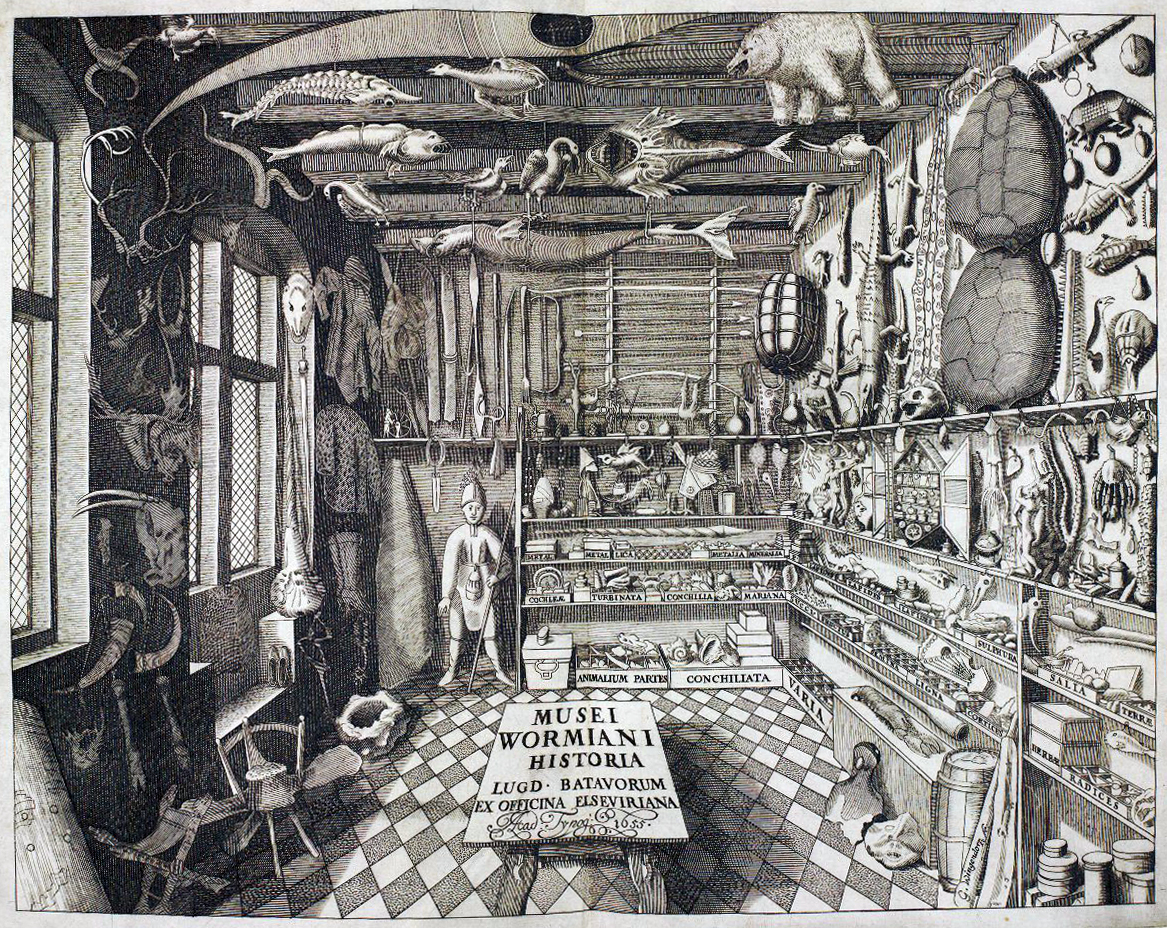
During the early modern era, a new fascination with collection resulted in a series of inimitable Wunderkammern. These cabinets of curiosities appeared throughout Europe and contained all manner of objects, including souvenirs from distant lands, artworks, musical instruments, trinkets, scientific instruments, inventions, and items from the natural world. Not only a repository of objects, the Wunderkammer was also a system of organizing knowledge about the universe and for demonstrating the collector’s mastery of nature. Curiosity, wonder, and invention are prevalent themes that emerge across numerous 17th-century disciplines, and as a result, these cabinets have been widely discussed in literature about the early modern period.

Less commented on, however, is the fact that these same orientations toward the world can also be seen in the realms of music composition and instrument design. For instance, in his monumental 1650 Musurgia Universalis the inventor, collector, and music surveyor Athanasius Kircher defined all the musical styles known to him. Across hundreds of pages, the Musurgia Universalis captures the wonder and curiosity with which early moderns engaged with music. It also points to more concrete connections between the Wunderkammern and the 17th-century North German keyboard works than scholars have thus far described. Kircher described the Stylus Phantasticus as “the most free and unrestrained method of composing,” and works written in the style embody the spirit of invention manifested in the Wunderkammern. The same inclination toward wonder that was the impetus for the Wunderkammern is also present in the architectural design and innovative technologies of the 17th-century North German organ, particularly the independent pedal division. Just as the Wunderkammern provided a means for the collector to blend and master elements of art and nature, works written in the Stylus Phantasticus showcase the composer’s ability to harness the cosmic qualities of music and combine them with cutting-edge instrument design to inspire wonder in the listener. Ultimately, I argue pieces written in the Stylus Phantasticus as well as the instruments that were used to bring them to life are best understood as themselves cabinets of curiosities; to approach them as such is to reclaim the spirit with which these instruments and their music were created.
 

For more information, call 845-758-7250, or e-mail [email protected].

Time: 5:00 pm – 6:00 pm EDT/GMT-4

Location: Blum N217

Subscribe: Save this Event: Subscribe / .ics File

Bard College
30 Campus Road, PO Box 5000
Annandale-on-Hudson, New York 12504-5000
Phone: 845-758-6822
Admission Email: [email protected]
Information For
Prospective Students
Current Employees
Alumni/ae 
Families

©2025 Bard College
Quick Links
Employment
Travel to Bard
Search
Support Bard
Bard IT Policies + Security
Bard Privacy Notice
Bard has a long history of creating inclusive environments for all races, creeds, ethnicities, and genders. We will continue to monitor and adhere to all Federal and New York State laws and guidance.
Like us on Facebook
Follow Us on Instagram
Threads
Bluesky
YouTube