American and Indigenous Studies Program and Africana Studies Program Present
Leprosy, Sex, and Sensibility in the 18th century French Antilles
Kristen Block
Associate Professor of History, University of Tennessee
Associate Professor of History, University of Tennessee
Monday, April 27, 2015
Olin Humanities, Room 201
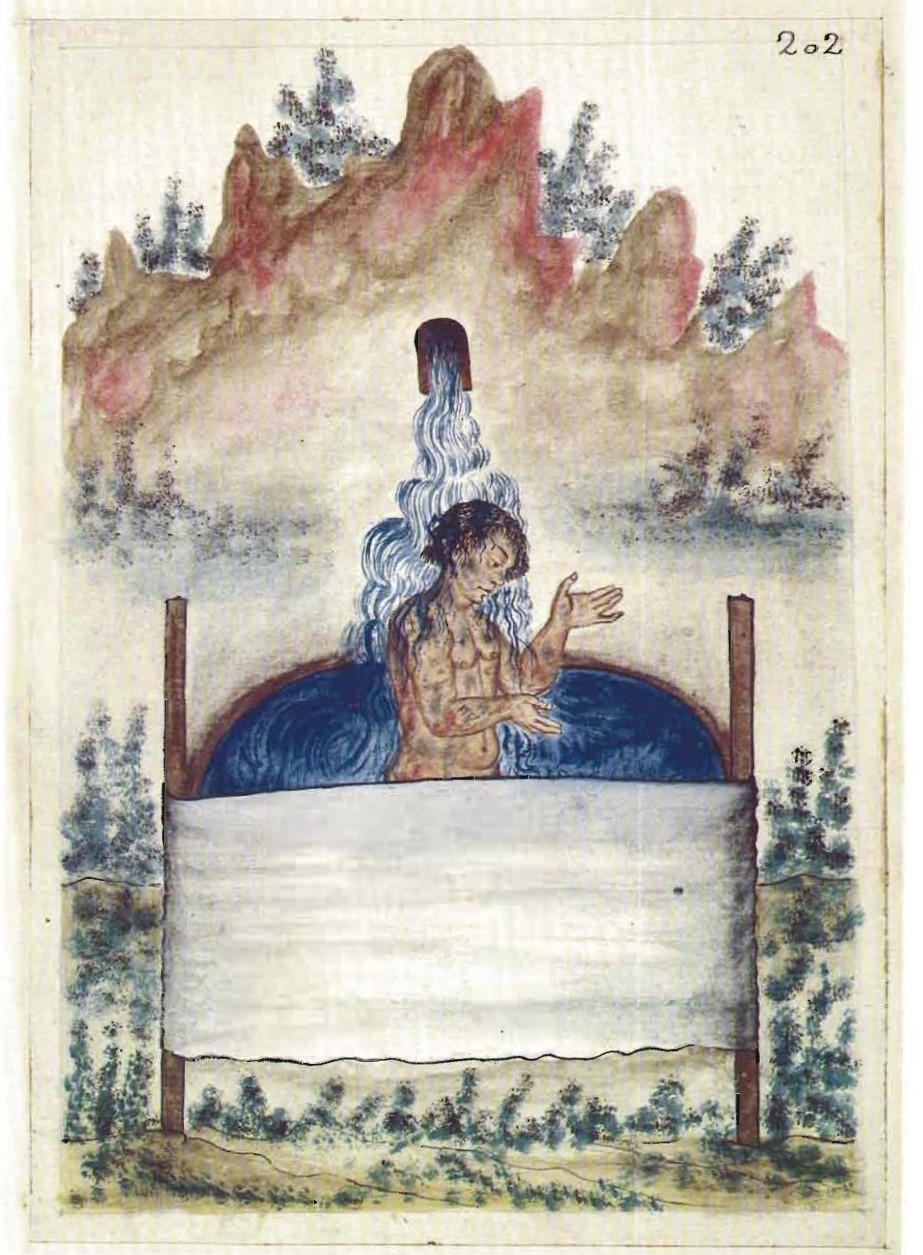
In the early decades of the eighteenth century, a supposed outbreak of leprosy in Guadeloupe spurred a flurry of activity and many pages of manuscript reports. Leprosy itself had become a very rare condition in 18th century Europe, and so medical professionals resident in Guadeloupe and Martinique debated the patterns of its transmission (cohabitation, heredity, wet-nursing, or even prolonged contact through daily interaction [conversation]), its cure, and even its very definition. But all were certain that the disease had spread from Africa via the Atlantic slave trade, which led to fears of its communicability across racial lines. Colonists’ libertine attitude towards interracial social and sexual contact were already seen as leading to dangerous contagions (like syphilis, which was seen by many to be more prevalent in Africa, where yaws, another leprosy-like disease, was endemic). This paper discusses how the uncertainty surrounding this disease, as well as the fact that leprosy caused so little pain, brought up fears of the “sensibility” involved in the colonial project.
Kristen Block is a scholar of the early modern Atlantic world whose first book, Ordinary Lives in the Early Caribbean (Georgia 2012), examines the entangled histories of Spain and England in the Caribbean during the long seventeenth century as both colonial powers searched for profit and attempted to assert their own version of religious dominance. Her second book project is exploring how Caribbean residents defined disease, contagion, and how conflict and hybridity affected their attempts at healing.
For more information, call 845-758-6874, or e-mail [email protected].
Location: Olin Humanities, Room 201
 Save this Event: