Classical Studies Program Presents
Scythian Nomads in Herodotus and in Recent Archaeology
Caspar Meyer, Bard Graduate Center
Monday, April 25, 2022
Olin Humanities, Room 102
5:15 pm – 6:30 pm EDT/GMT-4
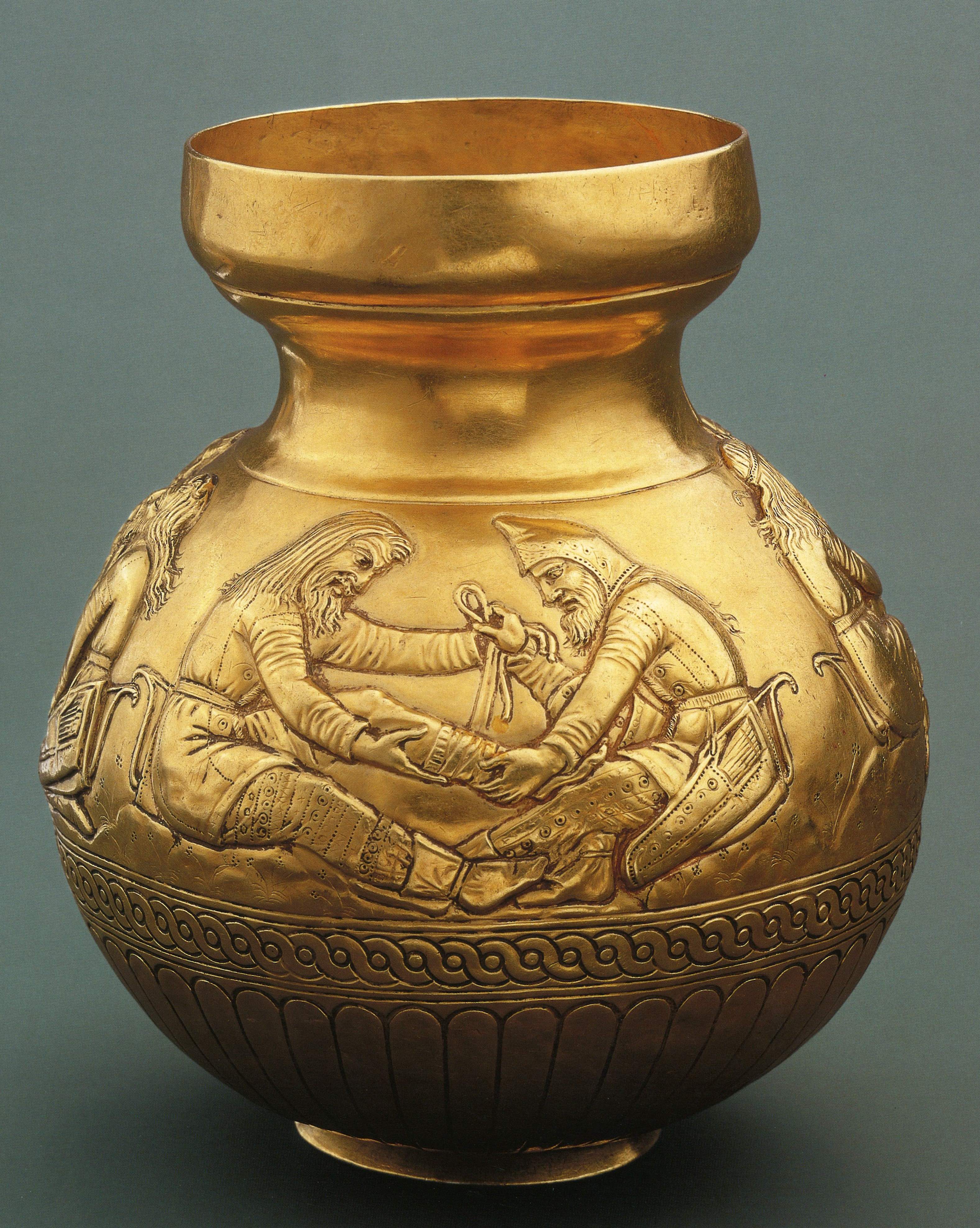
The Scythians were a nomadic people who inhabited the Eurasian steppe (roughly from modern Mongolia to Ukraine) in the first millennium BCE. In the cultural imagination of the West, they are known as fearsome warriors with a penchant for excessive drinking and cruelty thanks to an account of their customs written by the Greek historian Herodotus. The veracity of this account has been contested ever since its publication. Celebrated among some modern scholars as the beginning of “scientific” ethnography, others prefer to see it as an inspired literary creation that spoke above all to Greek ideas of civilization and barbarity. This lecture will reconsider the question in the light of recent archaeological discoveries from Scythian tombs in Siberia and Ukraine that offer unexpected insights not only into the pastoral lifeways of the ancient nomads but also into Herodotus’ interests in such outlandish Scythian practices as mummification and cheese-making. The discussion argues for a more nuanced understanding both of communities that are all too easily perceived as lacking in cultural sophistication and of the Greek encounters with “other” cultures exemplified in Herodotus’ account. While Herodotus’ representations should not be mistaken for historical fact, we have much to lose from underestimating his capacity for close reasoning and holistic explanation.5:15 pm – 6:30 pm EDT/GMT-4
For more information, call 845-758-7283, or e-mail [email protected].
Time: 5:15 pm – 6:30 pm EDT/GMT-4
Location: Olin Humanities, Room 102
 Save this Event: