Meadow-Making at Bard
Meadows at Bard College are beginning to receive well-deserved attention. The Bard Landscape Comprehensive Plan identifies several historic meadows as important features for preserving historic view sheds and reinforcing the character of the campus. While many mown areas continue to serve as gathering spaces for events and community activities, the Plan also encourages reducing unnecessary turf grass in underused areas. By transitioning select spaces to meadow habitat, Bard is working to reduce reliance on combustion-powered equipment, lower noise and maintenance demands, support pollinators and other wildlife, and strengthen the campus’s sense of place. This work has already begun in several areas across campus over the past few years.
1. Route 9G Cornfield to Meadow Conversion
The former cornfield along Route 9G is being transitioned into a meadow landscape that better reflects the ecological and visual character of the surrounding campus. This conversion supports recommendations outlined in the Bard Landscape Comprehensive Plan by reducing intensive mowing and creating a more diverse and resilient habitat.Over time, the meadow will provide seasonal interest, improve habitat for pollinators and birds, reduce maintenance demands, and strengthen the scenic approach to Bard College. The project also contributes to broader efforts to replace underutilized turf and annual plantings with landscapes that are more sustainable, immersive, and ecologically beneficial. Project was partially funded by Pollinate HV, a project of The Understory. Our project was the Red Hook Case Study.
2. Restoring the North Campus Meadow
Efforts are underway to restore the North Campus Meadow by reclaiming the area from invasive plant species and encouraging the return of a healthier, more diverse meadow ecosystem. This work supports the goals of the Bard Landscape Comprehensive Plan by preserving open meadow landscapes while improving ecological function and long-term resilience. Through ongoing invasive species management and meadow stewardship, the project aims to enhance habitat for pollinators, birds, and other wildlife, while also improving the experience of the landscape for the campus community. Restoring the meadow helps reinforce the distinctive character of Bard College and contributes to a more sustainable and biodiverse campus environment. Project partially funded by New York State Department of Environmental Conservation’s (NYS DEC) Invasive Species Grant Program, Division of Lands & Forests, Bureau of Private Land Services, that provides funding for aquatic and terrestrial invasive species spread prevention, early detection and rapid response, lake management planning, research, and education and outreach. Read press release.
3. Fisher Center Meadow Stewardship
Landscape stewardship efforts at the Fisher Center for the Performing Arts are focused on allowing the originally designed meadow, established in 2020, to mature and achieve its full ecological and aesthetic potential. Building on the naturalistic landscape approach already embraced by the Performing Arts Lab in 2025, these efforts support a more cohesive and sustainable landscape across the performing arts campus. As the meadow continues to establish, it will provide greater seasonal diversity, strengthen habitat for pollinators and wildlife, reduce maintenance demands, and deepen the sense of connection between the built environment and the surrounding landscape. The project reflects broader goals outlined in the Bard Landscape Comprehensive Plan to expand ecologically beneficial landscapes while preserving the unique character of Bard College.
Collections
-
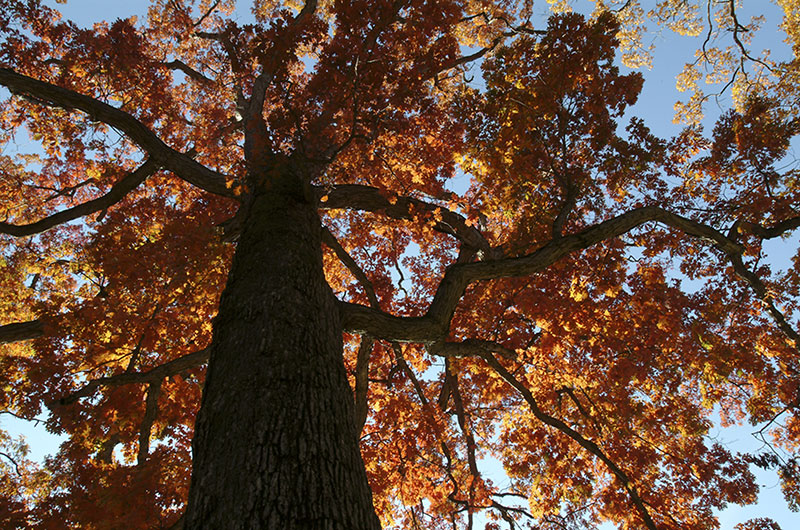 Core CollectionsBard's living collections consist of four types:
- Core Collections
- Historic Sites and Collections
- Thematic Gardens
- Natural Areas
-
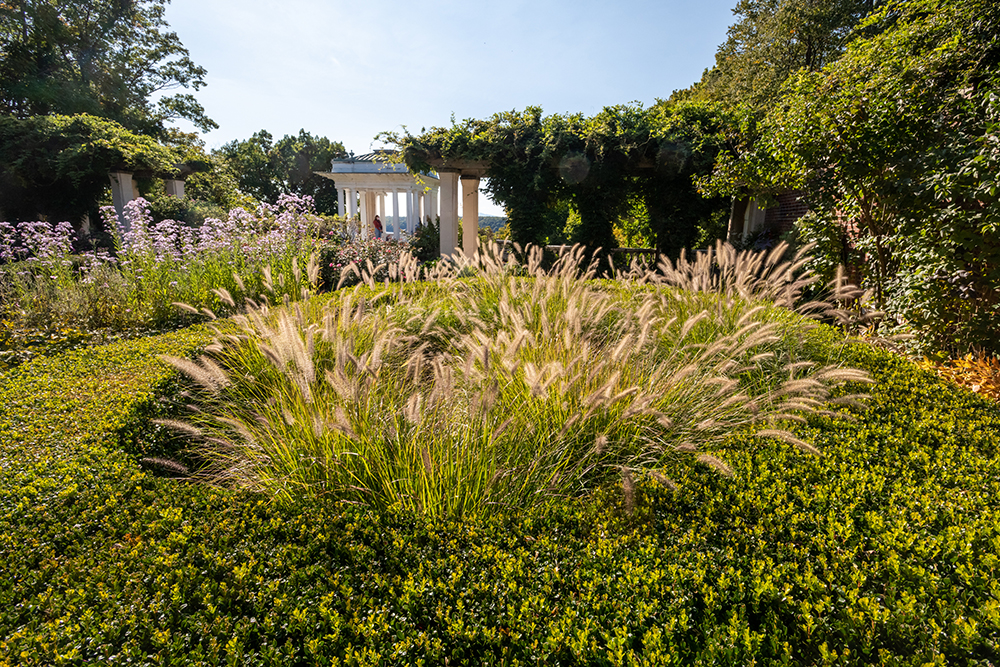 Plant CollectionsThe collection comprises more than 2,000 trees and shrubs which include 600 unique species. Many plants are labeled with full botanical and common names. In 2008, the Arboretum started compiling its plant collections and individual specimens using the BG BASE Collection Management Software. It is currently used to locate, identify, and quantify the various taxa throughout the Arboretum. A Plant Collections Policy guides the acquisition and removal of all plant material on the Bard campus.
